
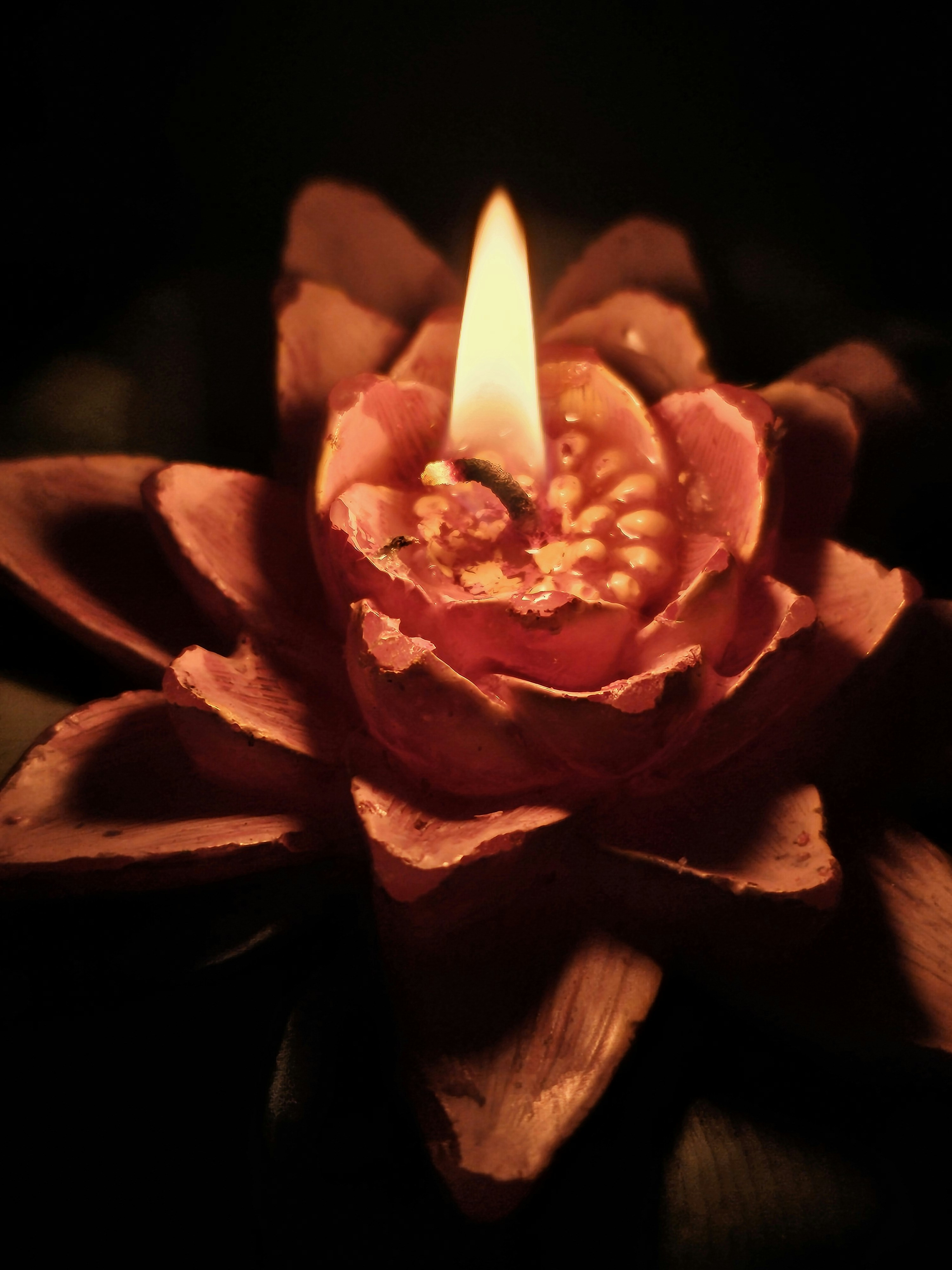
Introduction to the Eternal Candle
The concept of the “candle that never burned out” has captivated human imagination across various cultures and historical contexts. This eternal flame symbolizes hope, perseverance, and the enduring nature of the human spirit. An eternal candle serves as a metaphor for sustaining light in times of darkness and offers a profound message about resilience and the quest for immortality, both physically and metaphorically.
The allure of an everlasting flame extends beyond religiosity; it taps into the psyche of humanity’s desire for permanence in a transient world. The idea of a candle that never extinguishes prompts intriguing inquiries about existence, purpose, and the nature of time itself. How might such a candle influence the way we perceive our life journeys, relationships, or even our legacies? The eternal flame encourages contemplation of what it means to live a life that leaves a lasting impact.
As we delve into the full stories surrounding the eternal candle, we enter a realm rich with allegory and interpretation, illustrating the flame’s significance across diverse narratives. Each story we explore will highlight the unique dimensions of this eternal symbol, inviting readers to reflect upon their own beliefs and the meaning they derive from the idea of an everlasting flame in their lives.
The Origin of the Eternal Candle Legend
The legend of the eternal candle traces its roots back to various ancient civilizations, where the symbolism of fire and light held profound significance. In many cultures, the flame represented not only physical illumination but also spiritual guidance, purity, and the essence of life itself. One of the earliest references can be found in ancient Egypt, where the eternal flame was often associated with the sun god Ra. Temples often featured everlasting flames, which were tended to by priests, signifying the continuity of life and the divine presence.
Similarly, in ancient Greece, the eternal flame was a powerful symbol of hope and resilience. The flame of the sacred hearth was never allowed to go out, representing the spirit of the city and the communal strength of its people. The practice continued during the Olympic Games where the flame is ignited at the Temple of Hera and transported to the site of the games, symbolizing peace and unity among nations.
In Christianity, the concept of an everlasting light can be seen in the symbolism of the Paschal candle, which serves as a reminder of Christ’s resurrection and the hope of eternal life. The flame is used during significant liturgical events, illuminating the dark and bearing witness to faith. Across various cultures and religions, similar themes emerge, reflecting humanity’s desire to connect the transitory nature of life with the permanence of divine truth.
Folklore and myths frequently incorporate the archetype of an everlasting candle, imbuing it with powers of protection or guidance. The idea of a flame that never extinguishes captures our collective imagination, serving as a reminder of the enduring human spirit. As we uncover these stories, it becomes evident that the eternal candle is not merely a myth but a profound symbol woven into the fabric of civilization, resonating through time and cultures.
A Modern Encounter with the Candle
In a quaint antique shop nestled in a bustling market town, a woman named Clara stumbled upon an intriguing object that would alter her perception of history and family traditions. While perusing the eclectic assortment of items, a flicker of light caught her eye, emanating from a delicate glass container in the corner. Intrigued, she approached and discovered a beautifully crafted candle, seemingly untouched by time, with an inscription etched in an elegant script that read, “Eternal Light.”
Clara’s fascination deepened as she learned from the shopkeeper that this candle was said to embody the essence of an eternal flame, a concept prevalent in various cultures and rituals meant to symbolize hope and continuity. The owner described how generations have embraced such symbols, passing down stories that intertwine with their identities. This notion resonated profoundly with Clara, particularly because her grandmother, an avid collector of antiques, had often spoken of the significance of light in their family. The candle felt like an immense connection to her past, igniting a spark of nostalgia.
This modern encounter with the eternal candle awakened Clara’s appreciation for the stories that objects can unveil, providing her with a tangible link to her family’s legacy while instilling a renewed sense of hope for future generations.
The Candle in Literature and Art
The motif of an eternal candle has been a recurring theme in literature and art throughout history, symbolizing ideas such as hope, memory, and enduring love. One of the most poignant literary representations can be found in John Keats’ poem “Bright Star”, where the star is emblematic of an unquenchable flame, reflecting the poet’s aspiration for permanence in a transient world. The imagery of the candle serves as a metaphor for the heart’s longing for connection and the desire to withstand the ravages of time.
In the realm of visual arts, the eternal candle motif is also vividly illustrated. A notable example is the famous painting “The Candle” by artist René Magritte, in which the burning candle represents not only light but also the fragility of existence. The artist cleverly juxtaposes the eternal flame with elements of surrealism, inviting viewers to contemplate the coexistence of light and darkness in their lives. Such works challenge perceptions and provoke thought, emphasizing that while the candle’s flame may flicker, its essence remains ever-present.
Additionally, the eternal candle appears in cultural rituals and religious practices, embodying the notion of remembrance. In many traditions, candles are lit in honor of loved ones who have passed away, symbolizing their enduring presence in the lives of the bereaved. This connection between the candle and memory serves to reinforce its role as a reminder of love that transcends the boundaries of time and space.
Collectively, literature and art draw on the rich symbolism of the candle to explore profound themes of human experience. Whether through poetry, painting, or ritual practice, the undying flame illuminates the complexity of our emotions and the enduring nature of our connections with others. The motif stands testament to our innate desire to find light—even in the darkest of times—echoing the timeless message that some flames never wane, but rather persist through the ages.
A Candle for Every Occasion: Personal Stories
Candles often serve as powerful symbols of remembrance and celebration, marking significant moments in our lives. Each story shared below highlights personal experiences that illustrate the emotional connection we forge through the humble flame of a candle.
One touching story comes from Sarah, who recalls lighting a candle at her wedding as a tribute to her late grandmother. This particular candle was a family heirloom, embodying the love and wisdom her grandmother had imparted throughout her life. As the couple lit the candle together, it illuminated not just the moment, but also the shared history and the presence of family members who had passed away. Sarah describes this ritual as not just an act of remembrance, but also a way to intertwine her past with her future—a moment where love transcended time.
Similarly, Mark shares a poignant memory of lighting a candle during a memorial service for a close friend. This ritual, he explains, served to create an atmosphere of reflection and solace for those grieving. Each attendee lit a small candle in memory of their loved one, creating a sea of soft light that represented the impact this individual had on their lives. Mark notes that lighting candles not only honored their friend’s memory but also bonded the group in a collective act of love and remembrance. It was a tangible way to express grief while celebrating a life well-lived.
In another example, Elena reflects on her annual tradition of lighting a candle on her child’s birthday, commemorating the brief time they shared together. This simple act transforms an otherwise painful day into one filled with love and connection. Elena believes the candle’s flame symbolizes her undying love and serves as a reminder that her child’s spirit remains alive in her heart.
These stories underscore the significance of candles in various aspects of life, highlighting their unique role in crafting enduring memories and fostering emotional connections during both joyous and somber occasions.
Philosophical Reflections on the Eternal Flame
The concept of an eternal flame invites profound philosophical reflections about the essence of life, death, and the continuum of time. As a symbol, this enduring light prompts us to consider the implications of permanence in an impermanent world. Life is a series of fleeting moments, and yet the metaphor of an eternal candle beckons us to explore what remains when the wick is spent and the flame extinguished. It challenges us to ponder what constitutes a legacy and how memories are woven into the fabric of existence.
In examining the eternal flame, one might reflect on the nature of memory itself. Memories, much like the flicker of a candle, can illuminate the shadows of our past, offering warmth in times of sorrow. They are the enduring echoes of our experiences and relationships, serving as a bridge between the ephemeral nature of life and the quest for lasting impact. This prompts individuals to ask themselves: What do I wish to be remembered for? What flames do I nurture in my life that may continue to glow even after I am gone?
The contemplation of an eternal flame also leads us to consider our shared human experiences. Collective memories, cultural legacies, and even historical narratives are like the wax that fuels the candle, allowing the light of knowledge and wisdom to persist. In a broader sense, the eternal flame symbolizes the resilience of the human spirit. In times of adversity, the flickering light serves as a reminder that moments of brilliance can arise from the depths of darkness, lending hope to future generations.
As we gaze upon this metaphorical flame, we are invited to embark on a journey of introspection. Amidst the chaos of life, recognizing the significance of our actions, thoughts, and connections can illuminate our individual paths. Ultimately, the eternal flame serves as a poignant reminder of our quest for meaning and the lasting impressions we leave behind.
Creating Your Own Eternal Candle Ritual
Establishing a personal ritual involving an eternal candle can serve as a deeply meaningful practice that honors cherished memories or intentions. Here are some practical steps to guide you through creating your own unique ritual.
First, select the ideal candle that resonates with your purpose. A pillar candle or a large jar candle can be fitting choices, as they are designed for extended burning. Opt for a color that symbolizes your intention; for instance, white candles are often associated with purity and peace, while red candles may represent passion and strength. Ensure that the candle is made from quality materials to enhance the longevity of the flame.
Next, create a conducive environment for your ritual. Choose a quiet space where you feel comfortable and free from distractions. This may be a corner of your home, a garden, or any tranquil setting that evokes serenity. You might want to enhance the atmosphere with elements that resonate with you, such as soft music, essential oils, or natural decor like flowers or crystals. Arrange your candle at the center of your chosen space, allowing it to be a focal point during your reflections.
Before lighting the candle, take a moment to set clear intentions. Consider what you wish to honor or manifest through this ritual. It could be a memory of a loved one, a goal you aspire to achieve, or an aspect of your life you wish to transform. When ready, light the candle and allow its flame to symbolize your unwavering dedication to these intentions.
During the ritual, reflect on your thoughts and feelings surrounding the focus of your practice. This can involve journaling, meditating, or simply allowing your mind to wander as you observe the flickering flame. Engage your senses to deepen the experience, noticing the warmth of the candle, the scent it emits, and the ambiance it creates. This personal ritual can serve as a constant reminder of your commitments or cherished memories, embodying the spirit of an eternal flame within your life.
The Science Behind the Candle Flame
The phenomenon of a candle flame is rooted in the principles of chemistry and physics. When a candle burns, a series of chemical reactions take place that produce light and heat. The primary fuel for the candle flame is the wax, usually composed of hydrocarbons. When the wick is lit, it generates heat that melts the wax around it, allowing the liquid wax to travel up the wick by capillary action. Once the wax reaches the flame, it vaporizes and enters a reaction with oxygen from the air, resulting in combustion.
If we consider the possibility of a candle that never burns out, it becomes essential to understand the factors that contribute to an extended burn time. One significant aspect is the type of wax used. While paraffin wax is prevalent due to its affordability and accessibility, alternative materials such as beeswax, soy wax, and palm wax can provide longer burn durations and cleaner emissions. Beeswax, for example, not only has a higher melting point, allowing for a slower release of wax, but it also may emit negative ions that can purify the air during the burn.
The wick type and size are also crucial elements affecting the longevity of the flame. A thicker wick can deliver more fuel to the flame, resulting in a brighter burn, but may also consume wax at a faster rate. Conversely, a thin wick may prolong the burn but could struggle to maintain a consistent flame. The wick material, often made from cotton or wood, can also affect the combustion process and, consequently, the burn time.
The environment around the candle, such as airflow and humidity, plays a significant role as well. A draft can lead to a flickering flame that consumes wax unevenly, thus shortening the candle’s life. Therefore, the science behind candle making incorporates various elements that can lead to extended burn times while debunking the myth of an eternal flame.
Conclusion: The Eternal Candle in Our Lives
The journey through the narratives of the eternal flame has illuminated various interpretations and meanings associated with a candle that never burned out. From ancient cultures that revered the flame as a symbol of resilience to modern stories of hope and memory, we have seen how this enduring image transcends time. The tales represent not only the physical aspect of an eternal candle but also the deeper human experiences it evokes—love, faith, and remembrance.
In our exploration, we have encountered how such symbolic candles have played significant roles in diverse contexts, whether it be in memorials honoring loved ones or in personal reflections of overcoming life’s adversities. Each story serves as a reminder of the light we carry within ourselves and the impact we have on others. With every flicker of the flame, one can envision the warmth that relationships foster, the hope that ignites in the face of challenges, and the memories that linger long after the physical presence fades.
As we conclude this exploration of the eternal candle, we invite readers to carry forward the essence of these stories into their daily lives. Embrace the notion of an unyielding flame that symbolizes the bonds of love and hope we share. Reflect on personal experiences that resonate with these themes and consider how they have shaped your understanding of life’s transient nature. Through sharing these stories, we contribute to a collective tapestry that honors the lasting impact of the eternal candle. May we continue to ignite and nurture the flames of memory and love within one another, ensuring that the fire never truly extinguishes.